Back to the Brief

The EOW Brief

AI Video Editing Is Getting Easier. Meanwhile, Dems and Republicans All Hate Data Centers.

November 12, 2026 · 7-minute read

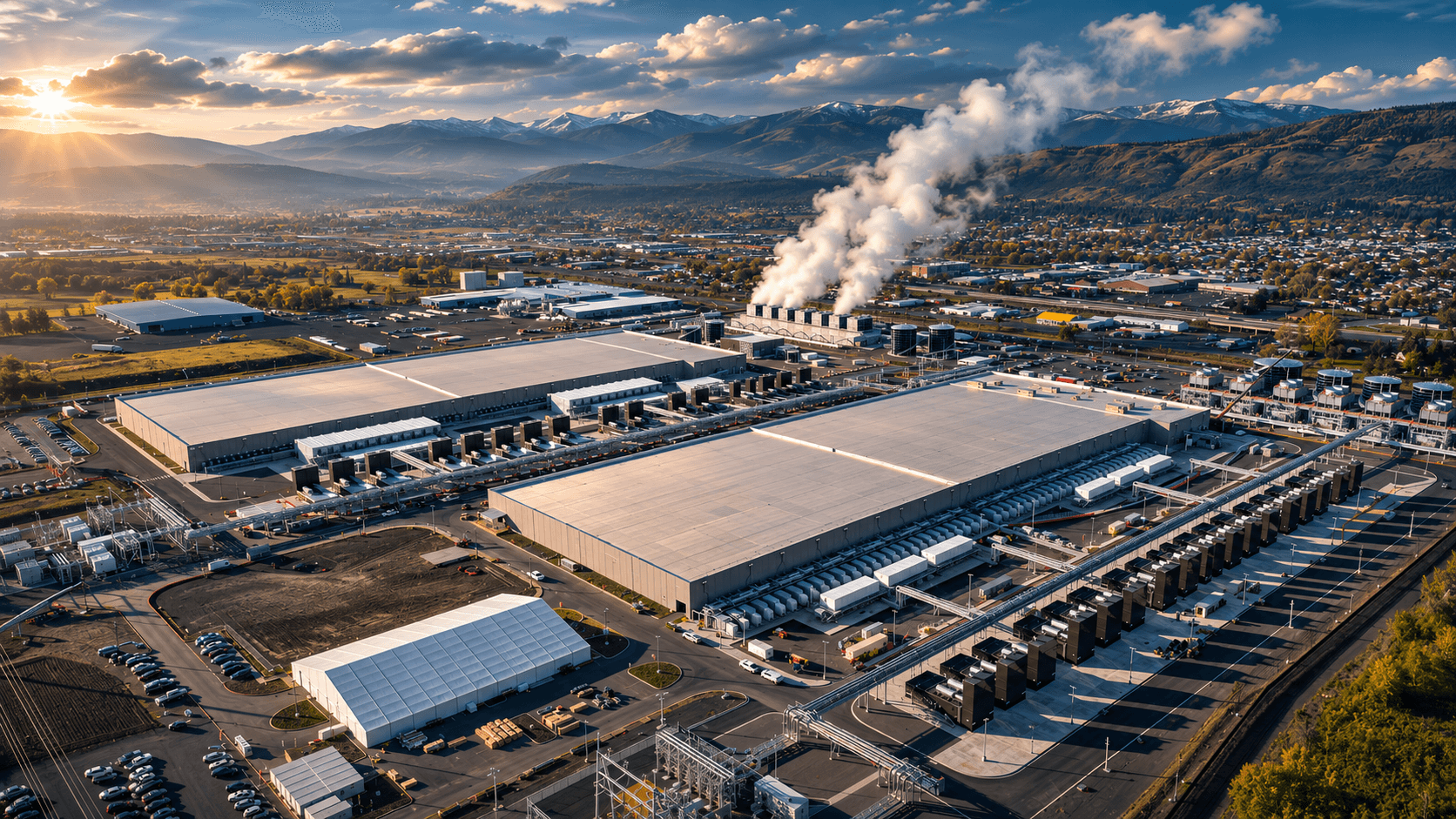
Aerial view of an enormous AI data center complex with cooling towers venting steam, sitting on the edge of a small town with snow-capped mountains in the background at sunset.

Hi friends,

There are two things happening in the AI world this week that I want to talk about.

One is something I'm really excited about because I think it could make life a whole lot easier for small business owners.

The other is a much bigger conversation about AI, our communities, and the consequences of building all this technology.

Let's start with the fun one!

In this article

Can AI help you edit videos for your business?

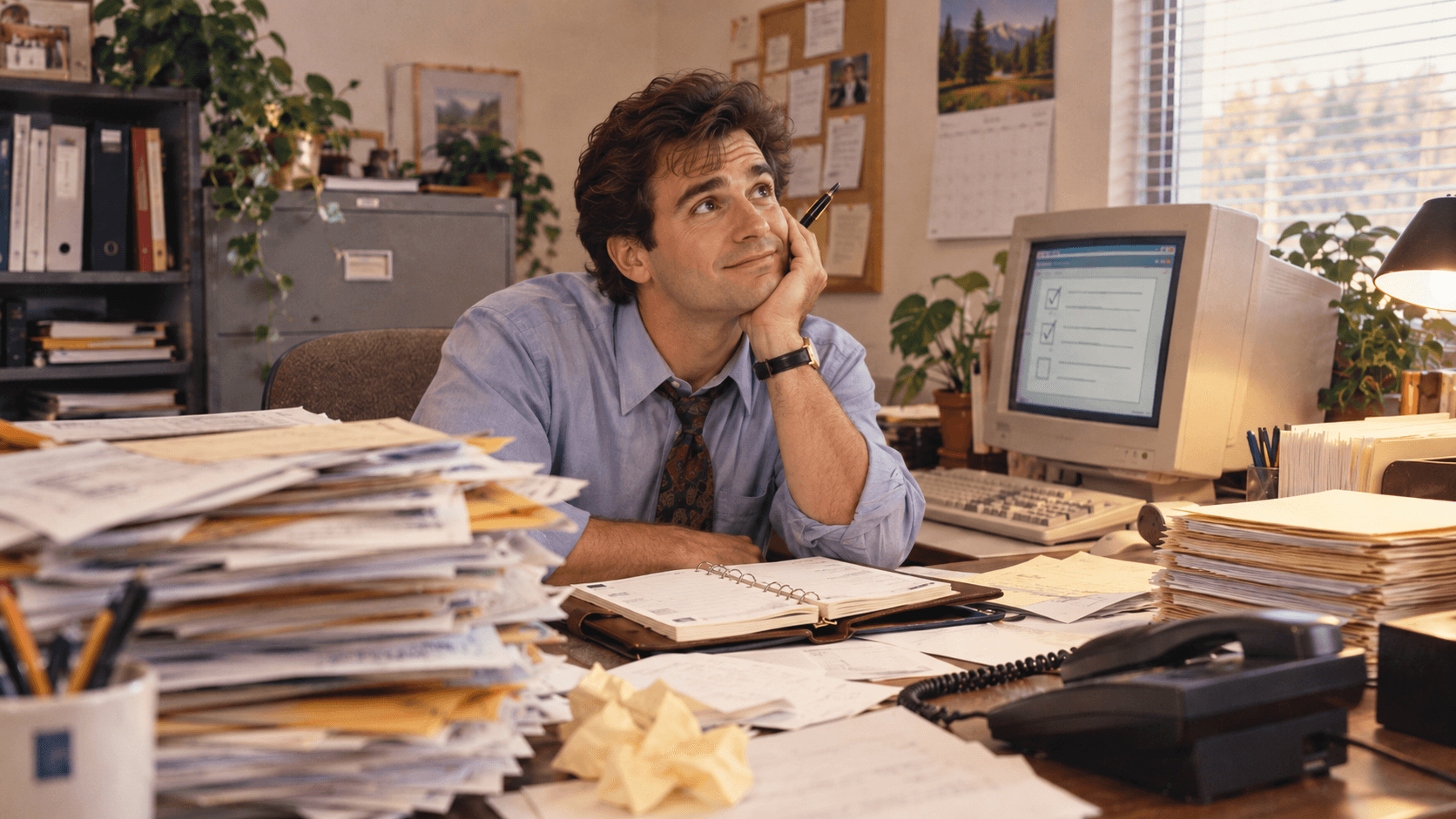
If you've ever tried to keep up with creating social media content while also running a business, you know how time-consuming it can be.

You have to come up with ideas, record something, edit it, add captions, and figure out what to post where.

And that's on top of everything else you're already doing!

Well, AI video editing is getting a whole lot better.

People have been using AI to help edit videos for a while now, myself included. But some of the newer capabilities are making it possible to do things that would have required much more time, technical knowledge, or expensive editing software not that long ago.

We're getting closer to being able to tell AI what we want in regular, conversational language and have it do a lot of the editing work for us, which is very exciting!

What this looks like in practice.

For me personally, I've created an AI workflow that goes through my video recordings and cuts out all the long pauses, mistakes, and moments where I have to start a sentence over.

And let me tell you, there are plenty of those!

I'm still way too much of a control freak to let AI handle the final touches. And frankly, I don't think the technology is quite good enough to get everything all the way across the finish line yet.

But it can take care of a huge portion of that frustrating, repetitive work at the beginning of the editing process. And that alone saves me a tremendous amount of time.

Where this gets exciting for small businesses.

If your business does anything like Zoom webinars, educational trainings, workshops, or recorded presentations, you may already be sitting on a ton of content you could be using.

Instead of letting those recordings sit in a folder somewhere, you can use AI to help identify the most interesting moments and turn them into shorter videos for social media.

Think about it. A 45-minute webinar might have five or six really useful moments that could each become their own short video.

Maybe you own a service business and recorded a training where you explained something customers ask you about all the time.

AI could help you find those explanations, pull out the relevant sections, and organize them into shorter clips you can share.

Even an informal video you recorded on your phone could become something useful with a little help from AI.

And importantly, you don't need to generate fake-looking AI videos to take advantage of any of this.

I'm much more interested in using AI to make the content we already have easier to edit, organize, and share.

I think that's where there's a really practical opportunity for small businesses.

A heads-up on what's coming.

The technology still isn't perfect. You'll need to review what it creates, make adjustments, and make sure the finished video actually communicates what you intended.

But the amount of manual work AI can help with is improving incredibly quickly.

I'll be putting together a new series of lessons on AI video editing in the coming weeks.

I want to show you practical ways to use these tools, particularly if you're trying to create content for your business without spending hours learning video editing software.

And if you're looking for help with content creation in the meantime, I've already got some lessons that can help you get started:

My hope is that these tools will make it easier for business owners to share what they know, connect with customers, and show up online without adding another enormous task to their schedules.


Naturally, nobody wants a data center in their community.

Last week's midterm elections brought some pretty huge, exciting changes, including a blue tsunami of Democratic wins.

As someone who's very much against the concentration of wealth and power in the hands of a few billionaires, and very much on the side of the little guy, I'm feeling really hopeful.

But one of the things I've found most interesting about this election, and the political climate in general, is how Democrats and Republicans are both pushing back against AI data centers.

A quick refresher on what a data center is.

I know almost everyone has heard about data centers at this point, but just so we're all on the same page, they're enormous facilities filled with the computers that power services like ChatGPT, Claude, and so much of the technology we use every day.

They require huge amounts of electricity to operate. Depending on how they're designed and cooled, they can also use huge amounts of water.

They're loud, they generate a lot of heat, and they're not exactly something you'd be thrilled to have built next door.

And AI companies cannot build them fast enough.

A side note on the language.

The big AI companies are starting to rebrand data centers as "compute campuses." Watch out for that lingo showing up soon.

Why people are upset.

The concern is that the costs of all this development, from increased demands on local infrastructure to environmental impacts, can fall disproportionately on rural and lower-income communities.

And people are angry! As they should be!

Polling around the midterms showed that opposition to new data centers crosses party lines. Democrats and Republicans both expressed concerns about having these massive facilities built in their communities.

People are asking:

  • What happens to our electricity bills when a massive data center moves into the area?
  • How much water will it use?
  • What does the community actually get in return?
  • And should local residents have more say in whether these projects get built?

Can you use AI and still be concerned about its impact?

As someone who's generally a tech optimist, this is something I've grappled with for a really long time, and I want to share a little of my own perspective.

I own a small, local service business, and I use technology and AI in my own business every single day. I genuinely believe it can be an incredible tool for small business owners.

The reality is that giant companies have had access to sophisticated technology, automation, and resources for a very long time that simply haven't been accessible or affordable for most small businesses.

AI is starting to change that.

And as we see more private equity firms buying up and competing with small, locally owned businesses, particularly in the trades and service industries, I think access to these tools matters more than ever.

Small businesses are the glue that holds our communities together.

And I absolutely believe they deserve access to the same technology and capabilities that enormous corporations have.

I want small business owners to understand these tools, feel confident using them, and have the opportunity to benefit from this technology instead of being left behind by it.

That said, two things can be true at once.

It doesn't mean I agree with everything happening in the AI industry.

I have major concerns about the environmental impacts of AI, the amount of power concentrated in the hands of enormous technology companies, and what all of this means for workers and communities.

I'm especially concerned about the impact on poor and rural communities, including places like the one I come from in the Deep South. (Shout out to Mississippi!)

These are communities that have historically had very little say in decisions that affect their land, their resources, and their futures.

It's completely normal to feel conflicted about those things while still recognizing the opportunities AI creates.

You don't have to be completely for AI or completely against it.

I think we can be excited about what this technology makes possible for small businesses while also demanding accountability from the companies building it.

We can use AI to make our businesses stronger and more competitive while still asking all the questions about its environmental impact and the communities carrying the burden of all this development.

Those two things can coexist.

I'll be sharing more of my personal thoughts on these issues in the coming weeks, because I think they're important conversations to have as we all figure out how AI fits into our lives and businesses.

And if you've been feeling conflicted about AI yourself, I hope you'll know that you can be curious about this technology, benefit from it, and still question the direction it's heading.

That's it for this week

I'm particularly excited to dig into AI video editing with you. I know how much time content creation can take, and I think there's a real opportunity to make that process easier.

As always, my goal is to help you understand what's happening with technology and AI, and figure out what's actually useful for your business.

Hannah

Keep learning

Want to put AI to work in your business?

The Brief keeps you informed. Leverage Labs gives you short lessons, guides, and prompts to help you use what you’re learning.

Get the Brief by email every Thursday.

AI and tech updates explained simply, written for business owners.

Free every Thursday. No membership required. Unsubscribe anytime.